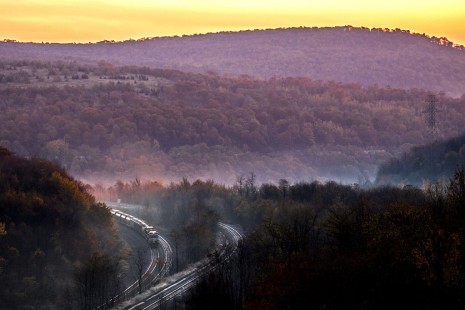
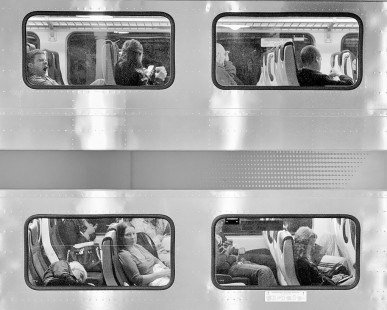
Introduction
The eighty-six photographers who entered the awards program provided a very diverse range of images. Nearly every entrant submitted one or more photographs containing the “wow” factor and having strong merit in the contest. It made a powerful case for “Creative Images,” the theme of the 11th annual awards program. The Center expanded the notion of creativity in the program by opening submissions to include all forms of digital manipulations (so long as they were disclosed).
“It was an exciting contest for three of us to judge, with entries from very creative photographers,” said John Gruber, the Center’s founder. “It is gratifying to see how the quality of railroad photography is constantly increasing.”
The collection as a whole would make for a stunning gallery exhibit or book. While the judges struggled with the arduous task of picking only three images for the first, second, and third place winners, they saw no losers among the entries.
“I was impressed with the quality and variety,” said one of the judges, a graphic designer. “That was what made it hard for me to pick out the winners. The photographs themselves and the views of the other judges expanded my appreciation and understanding of railroad photography.”
First place receives $1,000 in cash and a printer donated by Canon, a Pixma Pro-10 (maximum print size of 13 by 19 inches, using archival pigment inks); second place, $500 cash and from Lowepro, camera backpack Photo Sport 200 AW; and third prize, $250 cash and from Lowepro, a Toploader Pro 65 AW camera bag and lens case. An anonymous donor provided funds for the cash prizes. Complimentary one-year memberships to the Center go to all who received honorable mentions. The California State Railroad Museum in Sacramento will host an exhibition with most of the photographs. The Center will publish the winners and a selection of images the Judges Also Liked in issue no. 35 of Railroad Heritage (December 2013), as will Railfan & Railroad in a future issue.
Thanks go to Mel Patrick who helped promote the awards and encouraged photographers to send entries.
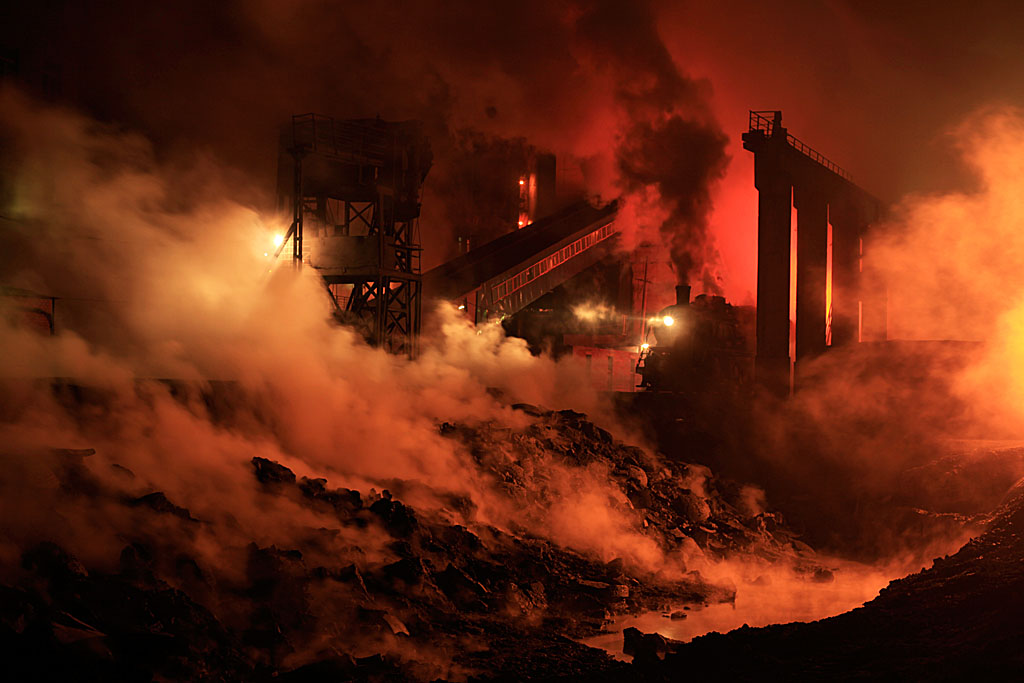
First prize: Ronald Olsen
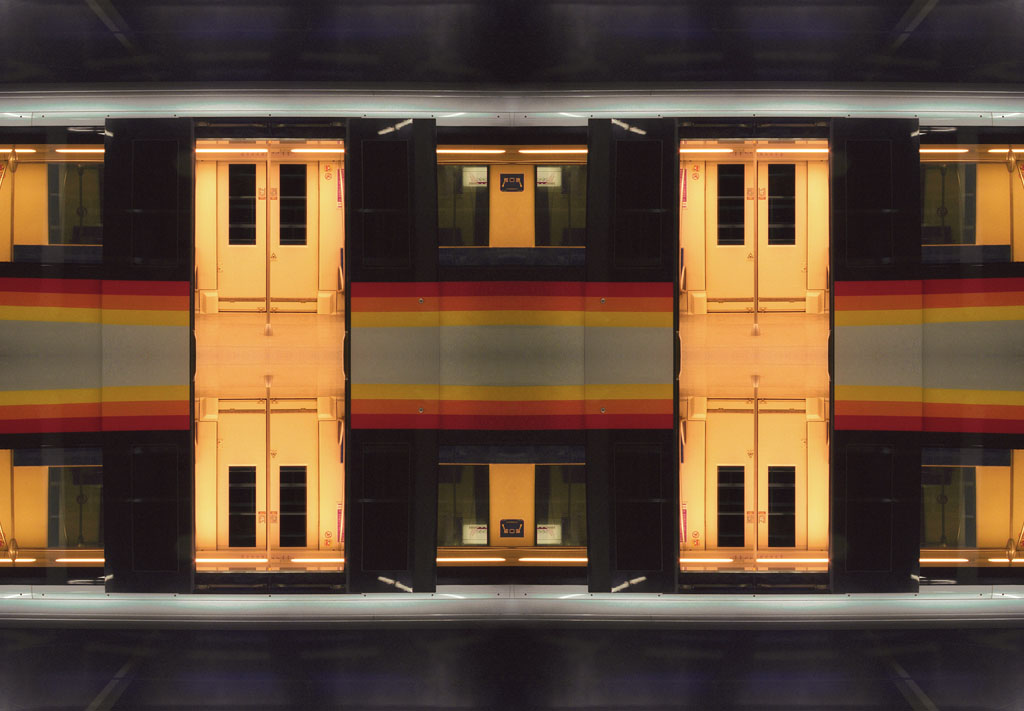
Second prize: Daryl-Ann Saunders
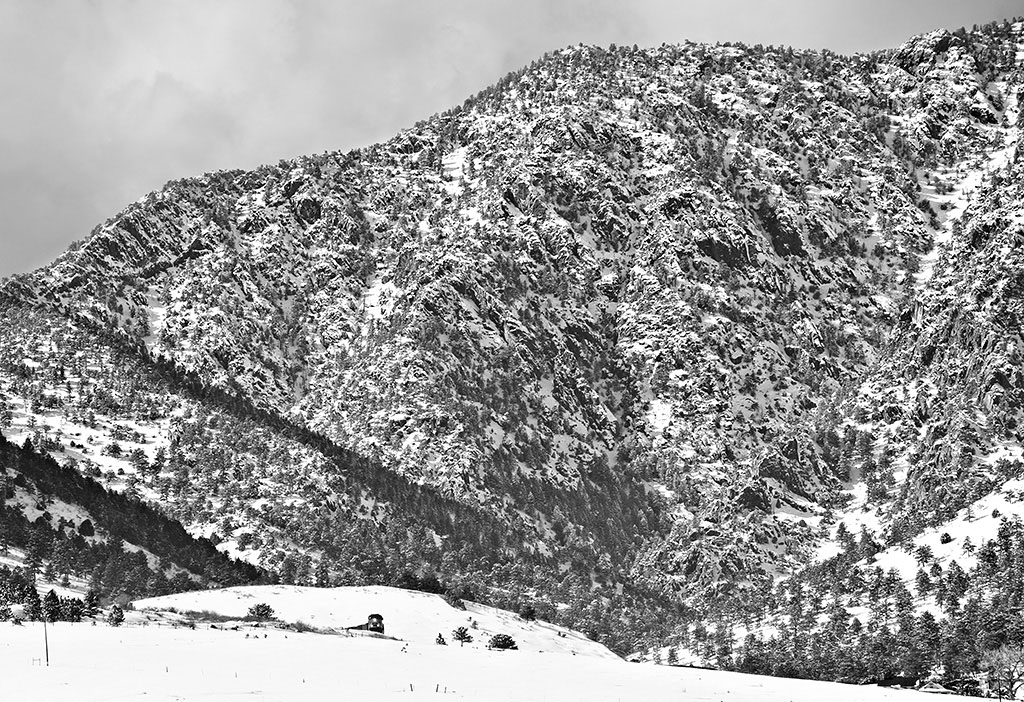
Third prize: Nick D’Amato
First Prize
Ronald Olsen
Details:
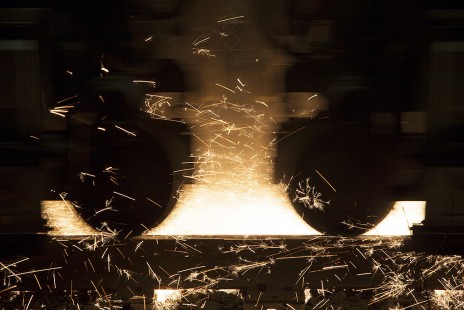
Deep in the Beitai Steelworks of China’s Liaoning Province, a 2-8-2 SY-class steam locomotive brings a cut of “thimble” cars of liquid slag to the dumpsite on January 26, 2012. A timely gust of wind blew the steam off to the left of the frame, allowing for a clear view of the locomotive. Beitai Steel has since ceased using steam locomotives.
About the Photographer:
Ronald Olsen has been making night photographs of steam railroading in China since 2001, during which time he has made more than twenty trips to country. He has traveled extensively in search of steam by train, bus, taxi, bicycle, horse cart, and on foot. Olsen uses ambient light, flashbulbs, and synchronized electronic flash for his night work. He has been using digital cameras since 2005, but he has also used medium and large format film cameras. He has spent most of his career in nursing, but he currently works for the Valley Railroad Company in Essex, Connecticut. Olsen lives in Coventry, Rhode Island, with his wife, Cindy Lou Chapman, and a small flock of chickens.
Second Prize
Daryl-Ann Saunders
Details:
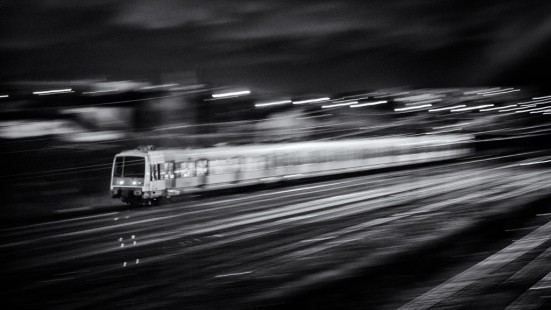
View from a subway station in Shanghai, China, from the photographer’s “Beyond the Platform” series of night-time color imagery. She says, “I shoot on above-ground platforms (not inside tunnels, etc.) because the juxtaposition between platform and surrounding community introduces a powerful subtheme of machinery vs. humanity to explore. Then, acting as photographic architect on my computer, I de-construct and re-construct imagery to reinforce concepts from which the work first erupted; that of NYC’s 9/11 deconstruction and reconstruction.”
About the Photographer:
Daryl-Ann Saunders, of Brooklyn, New York, is a commercial and fine art photographer. She says, “I have always been captivated by the travel allure of trains and, to me, subways are their urban equivalent. I travel to different cities in order to explore the relationships specific to those transit systems and the communities in which they reside.” Her award-winning work is regularly displayed in solo and group exhibitions. It is also held in corporate (Pfizer, General Electric, etc.) as well as private collections. You can see more of her work at www.dasfineart.com and www.dasaunders.com.
Third Prize
Nick D’Amato
Details:
Union Pacific eastbound loaded coal train descending the Front Range of the Rocky Mountains near Arvada, Colorado, on February 5, 2012. The train is near the siding of Clay and the Big Ten curve of the former Denver & Rio Grande Western’s Moffat Tunnel Route.
About the Photographer:
Nick D’Amato recently moved to Denver, Colorado, after spending six years in North Carolina earning a Ph.D. degree in Cancer Biology. When not in the lab, he enjoys a wide range of photography including transportation and travel subjects, concerts, and landscapes, and his wife, Valerie, frequently accompanies him on his outings. D’Amato’s photographs have won numerous awards throughout the southeast, and he has authored several articles for regional and national railroading magazines. You can see more of his work at www.diamonddphotography.com.
Judges Also Liked