
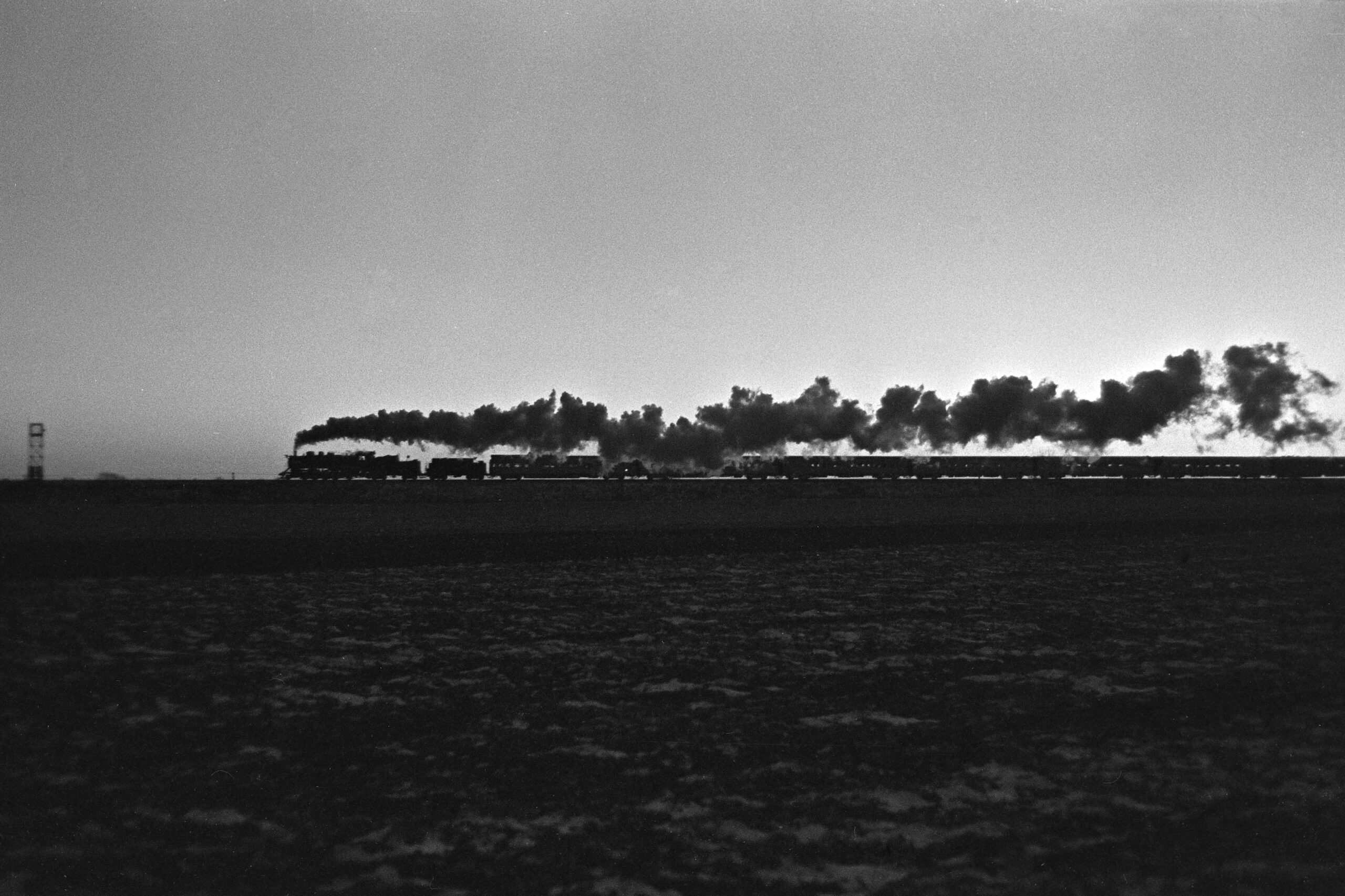
Our mission:
to preserve and present significant images of railroading.
About the Center
Railroads helped build the United States—and the world—as we know it, uniting people across vast distances while redefining concepts of space and time. Railroads and photography grew up together, and the visual arts are particularly well suited to portraying and interpreting the enormous impact of the railroad on history, society, and culture. Since its founding in 1997, the Center for Railroad Photography & Art has been passionately committed to telling railroading’s stories through imagery: interpreting the past creatively, connecting it to the present while looking to the future.
Primary Initiatives
The Center for Railroad Photography & Art is a 501(c)(3) not-for-profit arts and education organization whose mission is to preserve and present significant images of railroading. From its offices and archives in Madison, Wisconsin, the Center collects, preserves, and makes available imagery that portrays the 200-year history of railroads. Further programs include exhibitions, conferences, webinars, and publications. The Center does not maintain a museum or gallery space, instead collaborating on its many projects with individuals and institutions ranging from museums and universities to libraries and historical societies. This approach allows the Center to take its programming all over the country while focusing on railroad imagery and the profound and moving stories it can tell.
Conferences & Webinars
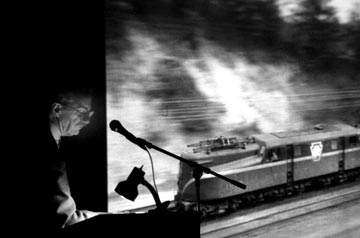
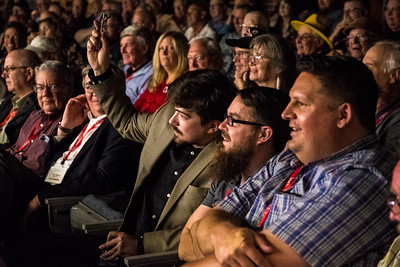
Conversations, the Center’s annual conference, has been held since 2003 and in recent years has drawn 190 attendees from across the country and the world. The much anticipated gathering features renowned presenters and opportunities to meet and develop relationships with people who share an expertise and interest in railroad imagery and its significance. In 2016 the Center organized its first-ever regional conference at the University of Connecticut at Storrs. High turnout of more than 100 registrants and positive feedback led the Center to host additional regional events at the California State Railroad Museum in 2018 and the Brigham Young University Museum of Art in 2019. In 2020, the Center began hosting online events, available for viewing on our YouTube channel.
Railroad Heritage Visual Archive
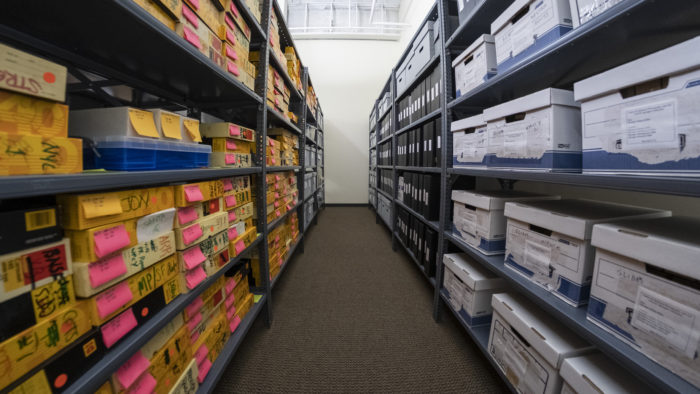
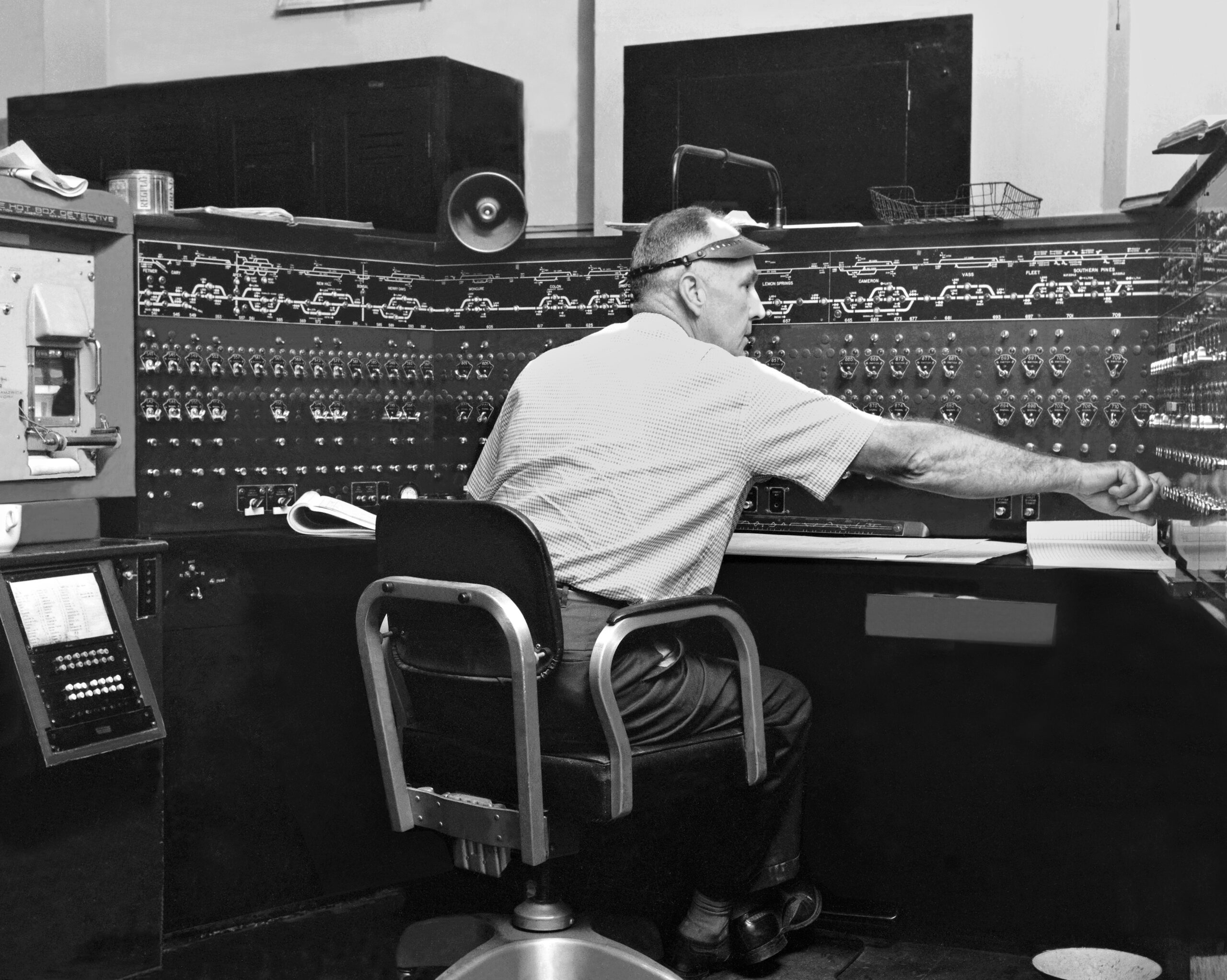
The Railroad Heritage Visual Archive maintained by the Center currently houses of more than 600,000 images. Current commitments will push that number above one million in the future. The Center conducts its archival work from its facilities in Madison, Wisconsin, and then shares digitized selections through Odyssey. Collections preserved, catalogued, and made available include the complete works of such luminaries as Wallace W. Abbey, John E. Gruber, Victor Hand, J. Parker Lamb, and Ted Rose. Current processing work includes the collections of Jim Shaughnessy, Stan Kistler, and Richard Steinheimer.
Exhibitions
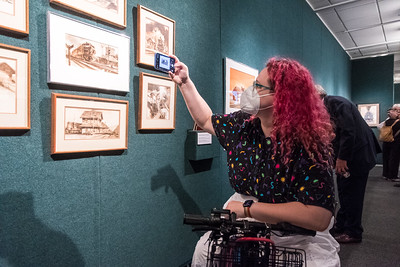
The Center has prepared and circulated more than twenty exhibitions that have visited more than one hundred different venues across the country. These shows have enriched the lives of hundreds of thousands of viewers by interpreting the grand sweep of the railroad and its great impact. Among the most ambitious and successful was Railroaders: Jack Delano’s Homefront Photography, a collaboration with the Chicago History Museum that told the story of Chicago’s railroad community and attracted half a million visitors. For the 2019 sesquicentennial of the golden spike, the Center prepared After Promontory: 150 Years of Transcontinental Railroading. Other exhibitions present the works of renowned photographers such as David Plowden, O. Winston Link, and Jim Shaughnessy. Venues have included the Brigham Young University Museum of of Art, California State Railroad Museum, Cincinnati Union Terminal, Grand Central Terminal, Milwaukee’s Grohmann Museum, and the Weisman Art Museum in Minneapolis.

Publications
Publications have immeasurably expanded the Center’s reach and reputation, while engaging more readers, capturing rail history, and providing platforms for important stories and images that otherwise would not be published. Railroad Heritage, the Center’s journal, has grown from twenty pages, published twice a year, to a regular quarterly of seventy-two pages and a bold new design introduced in 2016. To accompany the Railroaders exhibition, the Center published a 200-page, hardbound catalogue that won a national award. In 2019, the Center produced After Promontory: 150 Years of Transcontinental Railroading in partnership with Indiana University Press. Other books focus on photographers in the Railroad Heritage Visual Archive, including monographs about Wallace W. Abbey, Donald W. Furler, David Kahler, and J. Parker Lamb. Recent titles explore topics like the Burlington steam program and Rio Grande’s narrow gauge lines.
Governance, finances, and transparency
The Center’s all-volunteer board of directors provides governance and oversight. The board brings a wide range of experience and expertise; several members have strong financial backgrounds. Read more in their biographies below. Nine standing committees meet regularly: Audit & Compensation, chaired by Norm Calrson; Awards, chaired by Todd Halamka; Collections & Acquisitions, co-chaired by Justin Franz and Peter Mosse; Conference, chaired by Scott Lothes; Endowment, chaired by Rich Tower; Major Gifts, co-chaired by Bon French and Al Louer; Membership, chaired by Elrond Lawrence; Nominating & Governance, chaired by Michael Schmidt; and Publications, chaired by Kevin Keefe. The Center for Railroad Photography & Art Endowment maintains a professionally managed endowment fund that makes quarterly distributions to the Center, while gifts from members provide seventy percent of the Center’s annual income. Public inspection copies of the federal form 990s are available on this site for both organizations, while audited, consolidated financial statements are available by request.
Directors & Officers
Ronald L. Batory
Santa Fe, New Mexico
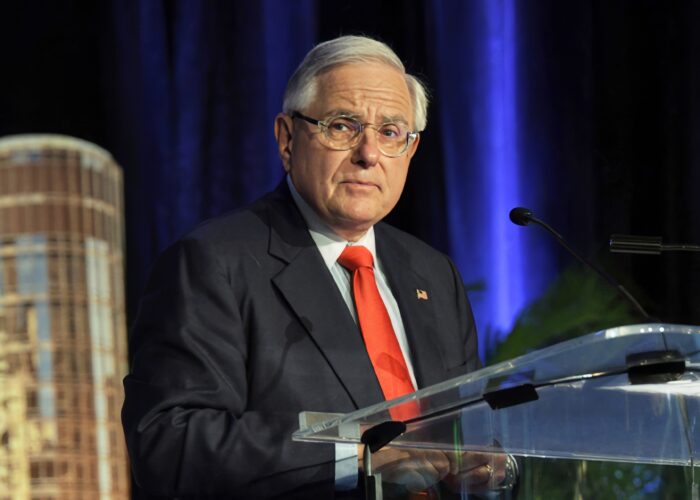
Ronald L. Batory concluded a term in public service in early 2021 as the fourteenth administrator of the Federal Railroad Administration, a position for which he received a presidential nomination and unanimous consent by the U.S. Senate in 2018. His prior career spanned forty-five years in the railroad industry where he was president of The Belt Railway Company of Chicago and president and chief operating officer of Conrail. His past board responsibilities included several railroad companies and associations, the John W. Barriger III National Railroad Library, and his alma mater of Adrian College in Adrian, Michigan. His personal art collection includes numerous railroad paintings. He lives with his wife Barbara in Santa Fe, New Mexico.
Eric Baumgartner
Redding, Connecticut
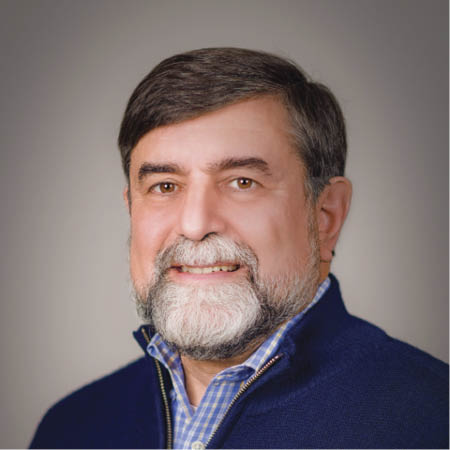
Eric Baumgartner is Senior Vice President of Hirschl & Adler Galleries in New York City, having joined the firm in 1993. H&A was founded in 1952 and is one of the nation’s leading galleries for American and European art from the 18th through the 20th centuries. He holds a B.A. degree with honors in the history of art from Dickinson College in Carlisle, Pennsylvania, and he is also an avid rail enthusiast and photographer. In 2024, he curated The Art of Trains exhibition of paintings from the Peter and Christine Mosse Railroad Art Collection. He lives in Redding, Connecticut, with his wife, Katherine (also a trained art historian), and they have traveled widely by rail throughout North America. Their house is two miles from Metro-North’s Danbury Line, which he uses for his commute to Manhattan. Hearing the whistles of the now-retired fleet of FL9s that served the branch in the 1990s was an added bonus when they bought their home
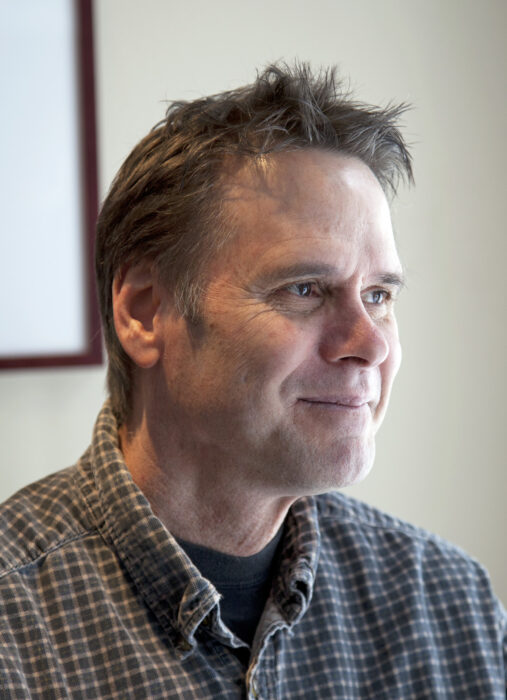
Jeff Brouws
Stanfordville, New York
Jeff Brouws, born in San Francisco in 1955, has pursued photography since age 13. Over the ensuing decades, he has compiled a visual survey of America’s cultural landscape. He brings deep knowledge of 20th century photography and a broad background in publishing—his many books include monographs about the works of Richard Steinheimer and Jim Shaughnessy, as well as Approaching Nowhere (2006), a compilation of his own imagery of America’s evolving suburban and urban landscapes. He has been instrumental in helping organize our annual conference, designed several of our books, and invested untold volunteer hours in our collecting efforts. His photographs are in numerous collections, including the Whitney Museum of American Art, the San Francisco Museum of Art, and Harvard’s Fogg Museum.
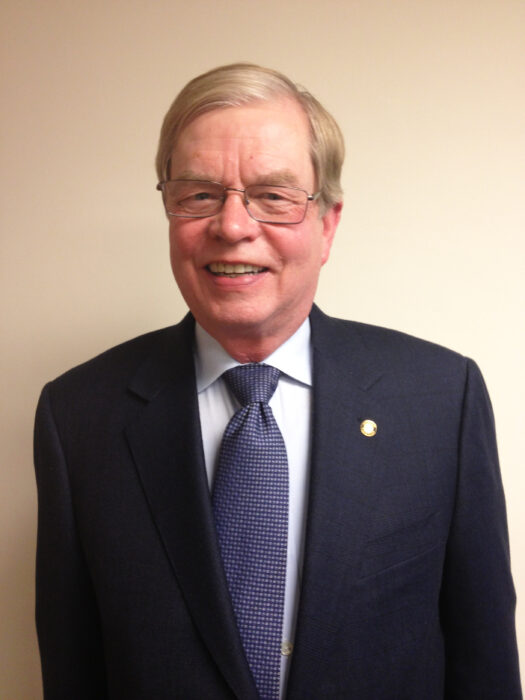
Norman Carlson
Lake Forest, Illinois
Norm Carlson spent 34 years with Arthur Andersen, the last ten as the worldwide managing partner of the transportation industry practice; he began his second career as an independent consultant following his first retirement in 2000. Among his assignments was being chairman of the board of RailWorks and being a railroad trustee on two occasions during the regulatory review period. He is president of the Shore Line Interurban Historical Society and managing editor of its publication First & Fastest; moderator of the Sandhouse Group, the monthly railroad discussion group of the Transportation Center at Northwestern University; and past president of the East Troy Railroad Museum. He has number of publication credits and his photographic work has been published. Norm served in the First Infantry Division in Vietnam and was awarded the Bronze Star for meritorious service. He is a graduate of the University of Illinois.
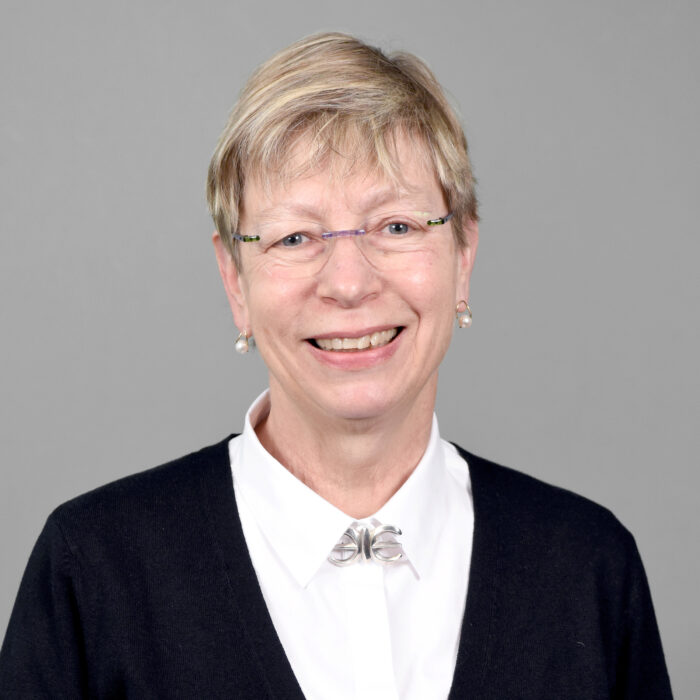
Betsy Fahlman
Tempe, Arizona
Betsy Fahlman is a professor of art history at Arizona State University, where she has taught since 1988. She holds a Ph.D. from the University of Delaware and specializes in American Art, with interests in public art, American modernism, the New Deal, and industrial archeology. She has written articles for Railroad Heritage and she has frequently reviewed the Center’s books for a variety of journals and newsletters. Her many books include Wonders of Work and Labor: The Steidle Collection of American Industrial Art (2008) and Chimneys and Towers: Charles Demuth’s Late Paintings of Lancaster (2007). She lives in Tempe, Arizona, and vacations in Wisconsin’s Door County every summer.

T. Bondurant French, Chairman
Glen Ellyn, Illinois
Bon French is Chairman of Adams Street Partners, one of the largest and oldest managers of private equity investment in the world. Begun in 1972, Adams Street has offices in Chicago, New York, Menlo Park, London, Singapore, Beijing, and Tokyo. Bon is a Trustee of Northwestern University and chairman emeritus of the Chicago History Museum. He is a member of the CFA Institute and a former director of the National Venture Capital Association. A life long rail enthusiast and photographer, Bon has photographed more than 700 railroads, principally in the United States and Canada. He worked as a brakeman for the Soo Line Railroad during the summers while earning an MBA from Kellogg Graduate School of Management.

John Gruber, Director Emeritus, Founder & Past President
Madison, Wisconsin
John Gruber, 1936–2018, was the primary founder of the Center for Railroad Photography & Art and served as president and editor of its journal, Railroad Heritage, until 2013. He was a freelance railroad photographer, author, and editor, and he received awards from the Railway & Locomotive Historical Society in 1994 for lifetime achievement in photography and in 2009 for an article, “Railroading Journeys,” about the life, times, and photography of Lucius Beebe and Charles Clegg. He was a contributing editor to Classic Trains, author of Classic Steam (2009), and co-author of Caboose (2001), Travel by Train, the American Railroad Poster (2002), Railway Photography (2003), Milwaukee Road’s Hiawathas (2006), and with John Ryan he co-authored the CRP&A book Beebe & Clegg: Their Enduring Photographic Legacy. He edited Vintage Rails magazine from 1995 to 1999.
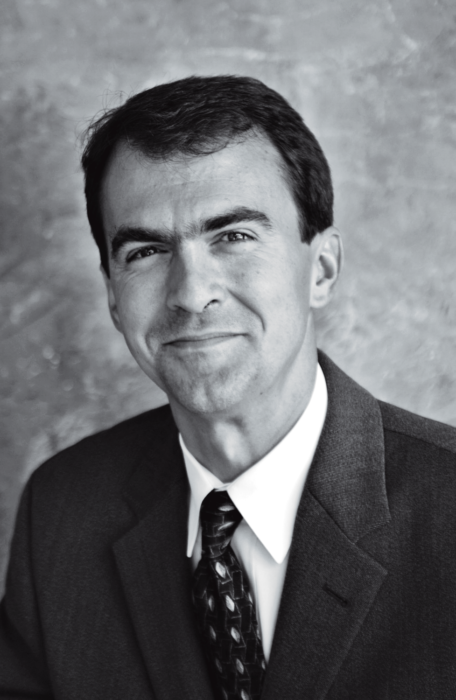
Todd Halamka, Vice Chairman
Western Springs, Illinois
Todd Halamka is a practicing architect and founder of Todd Halamka + Partners in downtown Chicago. TH+P focusses on three core domestic and overseas markets: universities; corporate headquarters office and office mixed-use; and hotels. He and his wife Susan have three grown children now attending college, and reside in Western Springs, Illinois, in southwest Cook County, along the BNSF Railway’s former Burlington triple-track speedway. An avid outdoorsman, Todd loves to travel, hike, fly-fish and commune with nature, preferably within eye- and ear-shot of a nearby railroad. His focus on railroad photography began in 2011, combining his life-long love of trains and fascination with image-making.
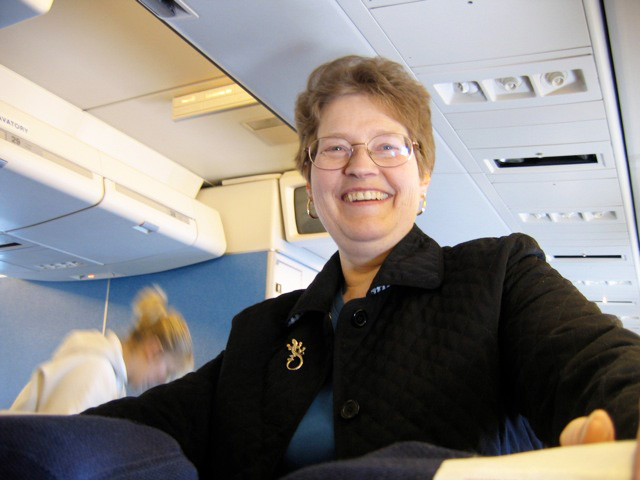
Nona Hill, Treasurer
Madison, Wisconsin
Nona Hill has been a rail enthusiast her entire life, having grown up next to the Milwaukee-Watertown-Madison line in Wisconsin. She and Clark Johnson, her husband, operate High Iron Travel, operator of the Caritas, the most widely traveled private car in America. Clark is on the board of directors of Iowa Pacific Holdings, which operates several short lines in the west, and the American Association of Private Railroad Car Owners. He is a former science adviser to the science committee of the U.S. House of Representatives. Nona is treasurer of Pro-Rail, a Madison-based passenger advocacy group, and vice-president of WISARP, the Wisconsin chapter of the National Association of Railroad Passengers.

Kevin P. Keefe
Milwaukee, Wisconsin
Kevin P. Keefe was born in Chicago in 1951 and graduated from Michigan State University’s School of Journalism in 1973. At MSU, he was a key figure in the effort to restore Pere Marquette steam locomotive 1225, and his 2016 book for MSU Press, Twelve Twenty Five: The Life and Times of a Steam Locomotive, won the Library of Michigan’s prestigious Notable Books Award. In recent years he collaborated on books about photographers Jim Shaughnessy, Wallace W. Abbey, and J. Parker Lamb. He has worked for daily newspapers in Michigan and Wisconsin, and as an associate editor and editor-in-chief (1992–2000) of Trains. He retired in 2016 as Kalmbach Media’s vice president-editorial after twenty-nine years with the company.
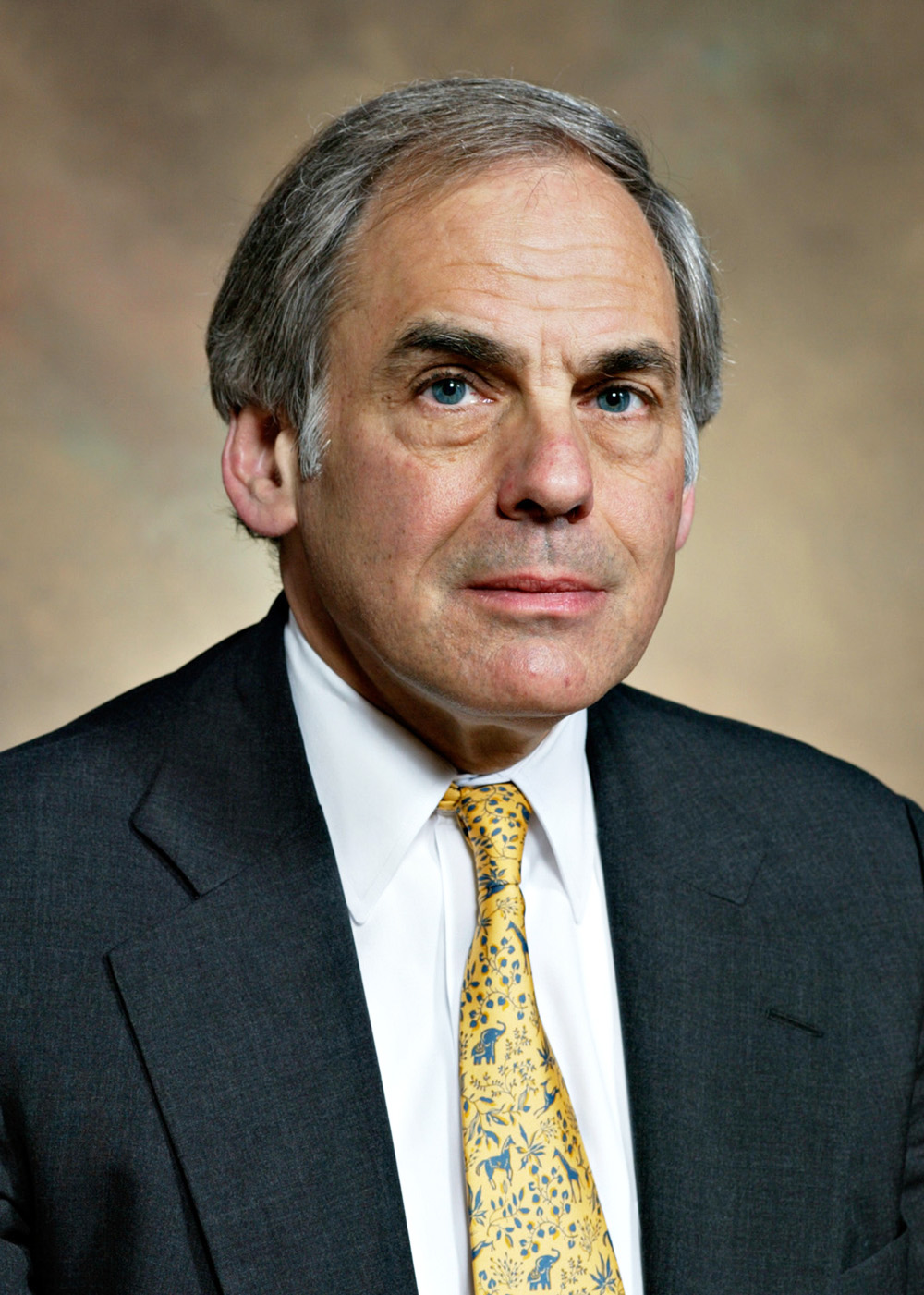
Albert O. Louer
Williamsburg, Virginia
A native of Highland Park, Illinois, the Chicago & North Western nurtured Louer’s interest in transportation and railroads. He was graduated from Lake Forest Academy and the College of William and Mary with a concentration in history. He started at Colonial Williamsburg in 1968, moving to Mystic Seaport in Connecticut and the Indianapolis Museum of Art. He returned to Colonial Williamsburg in 1982 as Director of Public Relations. In 1991, he moved into fundraising, first as Director of Corporate and Foundation Relations and now as Senior Director for Major Gifts. His interests and collections are in how the railroads developed marketing techniques and advanced the art and science of promotion.
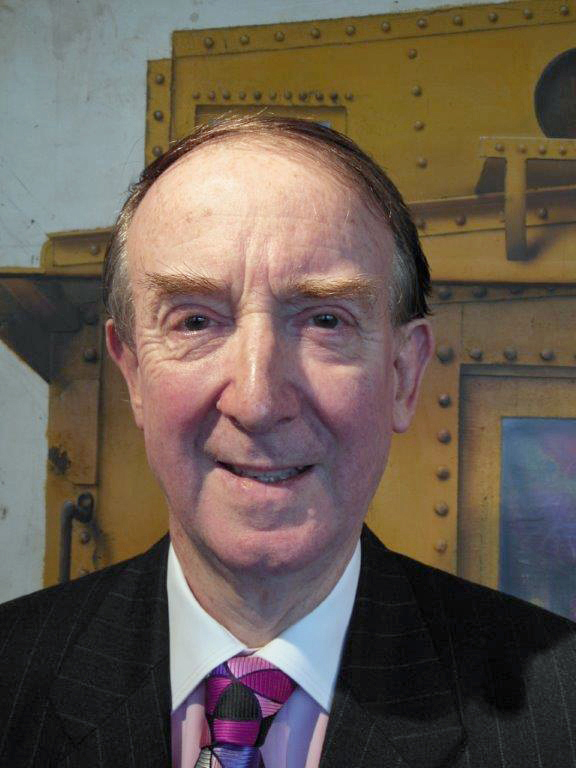
Peter J.C. Mosse
New York, New York
Peter Mosse grew up in England where he witnessed the end of the steam era on British Railways. Following steam’s demise in 1968, he started traveling abroad to ride and photograph surviving steam and traditional railroads elsewhere. Over the ensuing decades he has visited more than fifty countries in that pursuit. In 1981, on impulse, he purchased a railroad painting and thus started what is now a wide-ranging collection of railroad-themed, original works of art. Mosse has an MA degree from Oxford University and an MBA from the Wharton School, University of Pennsylvania. He worked in London and Kuala Lumpur for the UK Rothschild banking group before moving to New York in 1977 to set up a precious metals trading subsidiary, and he has lived in New York since then. He serves on the finance and beneficiaries committees of St George’s Society of New York—the state’s oldest charity—and is a past international president of the Circumnavigators Club, which was founded in New York in 1902.
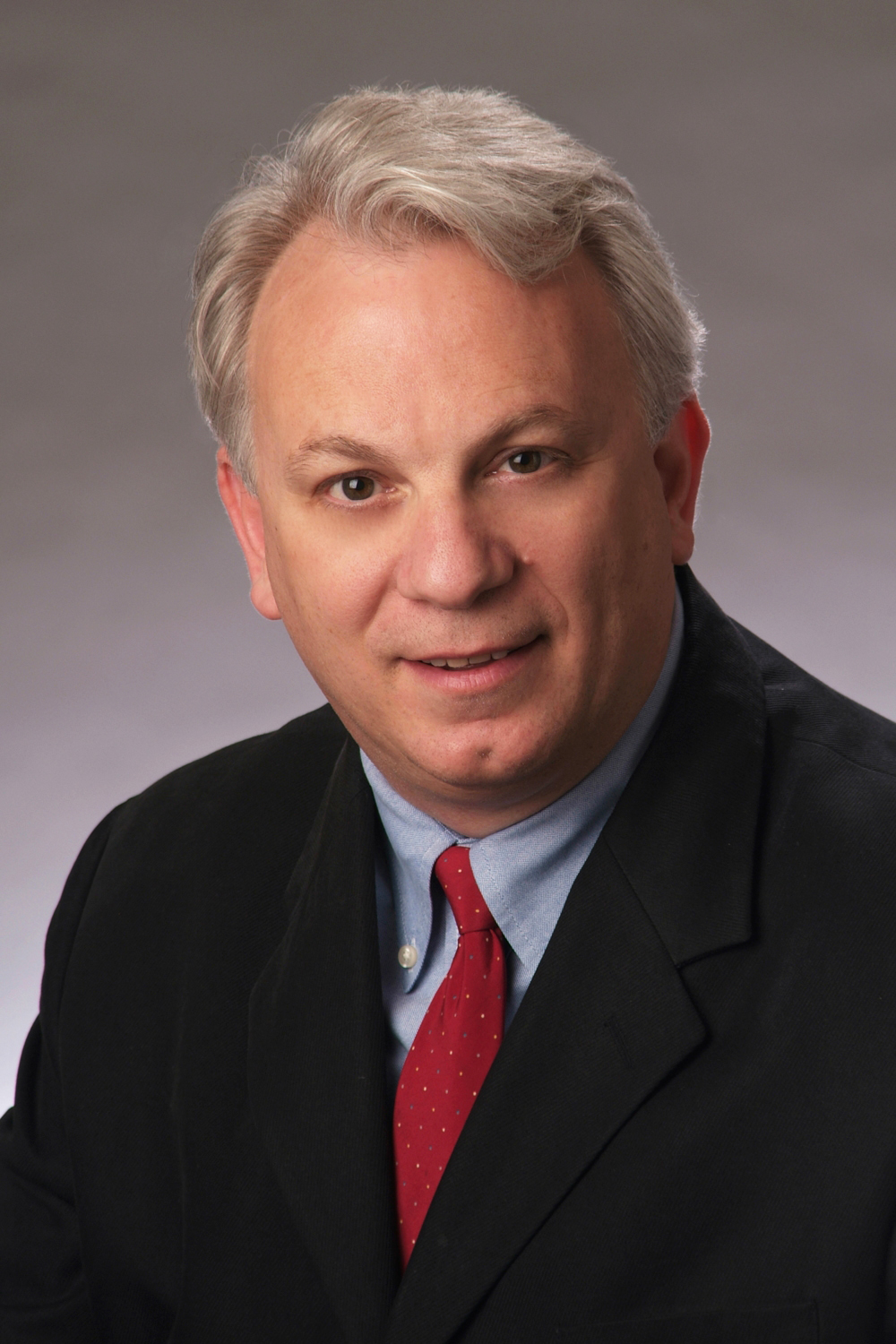
Michael P. Schmidt, Secretary
Owosso, Michigan
Schmidt—a collector of railroad photographs and paintings—is an orthopedic surgeon. In 1984 he moved to Michigan to complete his training in orthopedic surgery and has been in private practice in Owosso almost continuously since 1990. He is Vice Chief of Staff, Chief of Surgery, and serves on the board of trustees of his hospital. He is Assistant Regional Clerkship Director for the Central Michigan University School of Medicine. His interest in the images of railroading dates back to his days in Los Angeles where he and his brother rode bicycles the 20 miles to LAUPT to wander the platforms and get what pictures they could. Schmidt continues to photograph, draw, and paint railroad subjects. He collects railroad photographs, especially by photographers in the transitional period of the 1940s through the 1960s, and has started to acquire commissioned and noncommissioned paintings.
Richard Tower
San Francisco, California
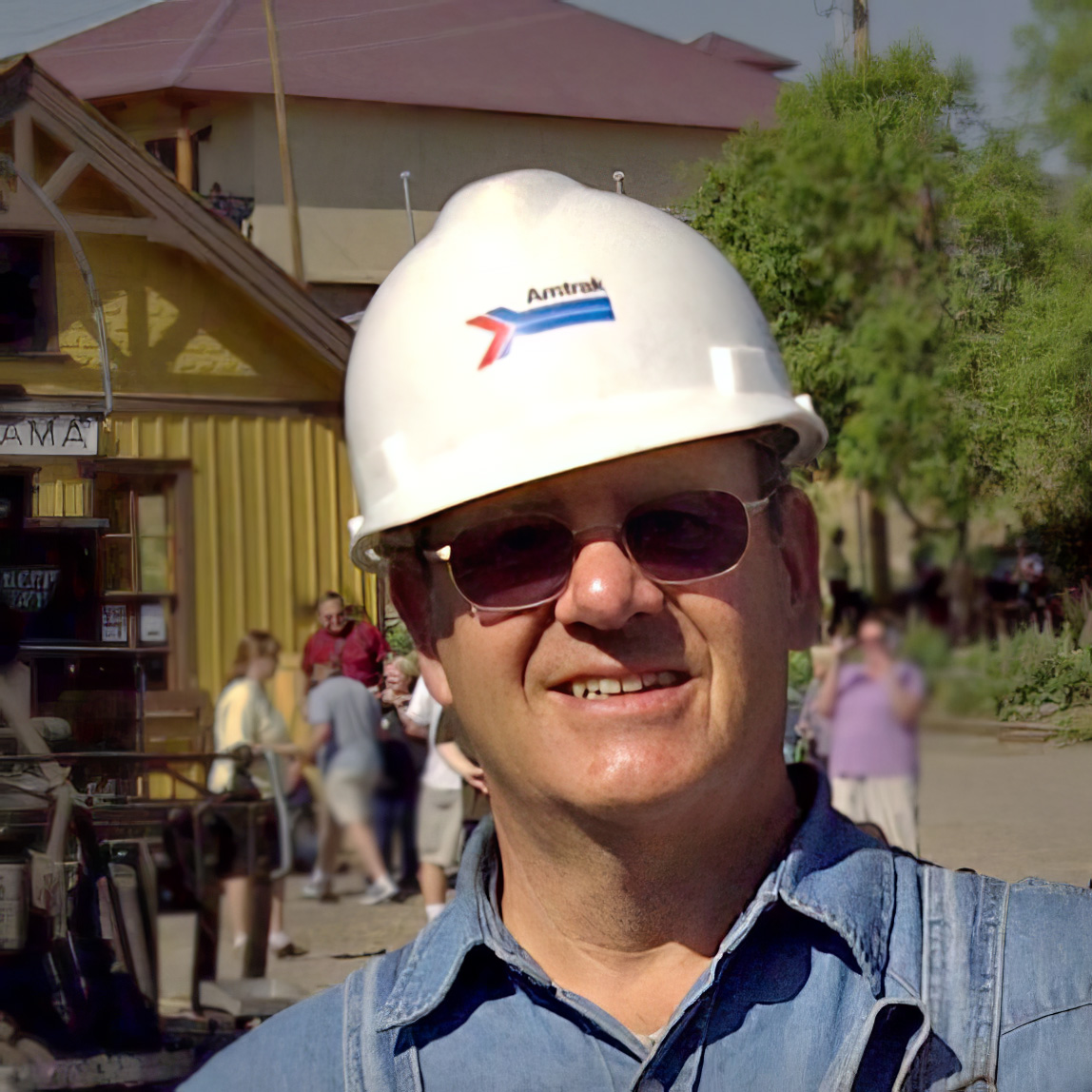
Richard Tower is President of the Candelaria Fund, a private family foundation making grants supporting self-help programs to combat poverty and community-based organizations that preserve local history and culture. His career includes management stints with Amtrak and Southern Pacific, an executive position with Smith Barney Harris Upham & Co., and rail consulting work. He has served as Vice-President and Treasurer of the Cumbres & Toltec Scenic Management Corporation, and he has served on the boards of the Bay Area Electric Railroad Association and Western Railway Museum, Friends of the Cumbres & Toltec Scenic Railroad, BritRail Travel International, and the San Francisco Embarcadero YMCA.
Davidson Ward
Duluth, Minnesota
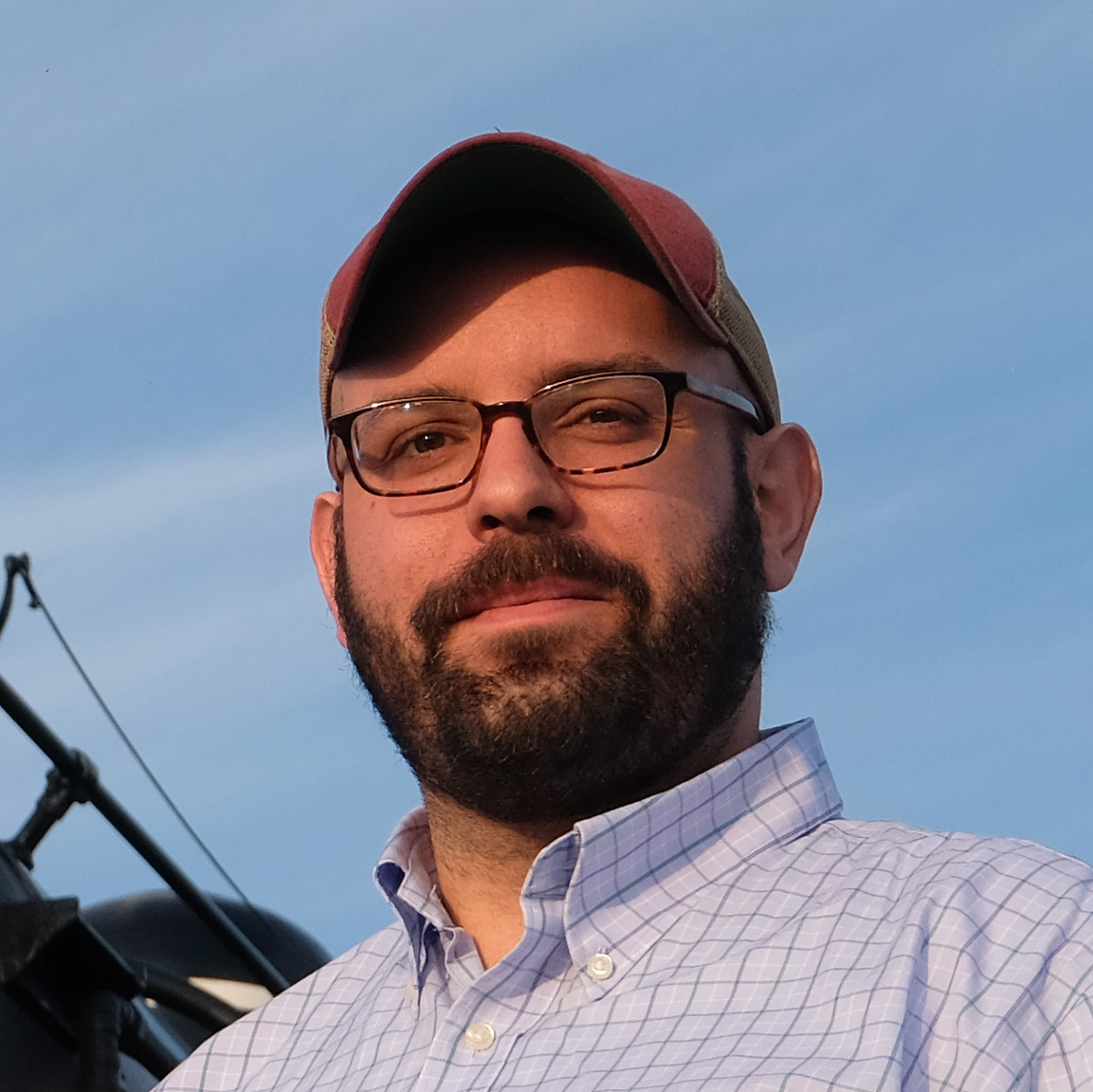
Davidson Ward is president of FMW Solutions, LLC, a railroad consulting firm he founded in 2016 that now employs more than twenty industry professionals. Their clients include freight, passenger, and heritage operations, and they are involved in several steam restoration projects. Ward holds a B.S. degree in architecture from the University of Minnesota and worked for other transportation consulting firms before launching FMW. He is a lifelong rail enthusiast and talented photographer whose work has appeared in Trains and other publications. His involvement with the Center dates back more than fifteen years and includes designing the logo we have been using since 2016. He lives in Duluth, Minnesota, with his wife, Sarah, and their two children.
Staff

Jordan Craig
Digital Archives Manager
Jordan Craig joined the Center as digital projects coordinator in 2024, bringing more than a decade of experience in managing multimedia collections and metadata across archives, libraries, and museum settings. She holds a B.A. degree in History & History of Science, Medicine, and Technology, a Certificate in Studio Art, and an M.A. in Library & Information Studies from the University of Wisconsin–Madison. As both a programmer and historian, Jordan is passionate about developing digital humanities projects that enhance accessibility and offer fresh perspectives on cultural heritage collections. Outside of work, she enjoys spending time with her two chaotic black cats, Hemlock and Oleander, and can often be found either knitting or gaming.

Adrienne Evans
Director of Archives & Collections
With a combined seven years of experience in the archiving field, Adrienne Evans joined the Center in November 2017 from History Colorado in Denver, where she served as the 20th Century Colorado Photography Collections Project Archivist from 2015 to 2017. Highlights from her time at History Colorado include processing the photographic archive of the Aultman Studio, one of the longest-running photography studios in the United States, and working with autochromes by Fred Payne Clatworthy, one of the first color photographers featured in National Geographic magazine. Evans first became passionate about photographic materials as an undergraduate student at the University of South Dakota, where she produced and exhibited her own photographic work and processed photographs from the University Archives. She completed her master’s degree in Library and Information Studies at the University of Wisconsin–Madison in 2014. Her previous experience includes archival work for the Wisconsin Historical Society and Montana State Historical Records Advisory Board as well as an internship at the Image Permanence Institute in Rochester, New York. Evans holds a bachelor’s degree from the University of South Dakota, where she majored in English and minored in Photography. In her spare time, she enjoys reading, hiking, and arranging holiday-themed photoshoots featuring her three cats, Squid, Magnus, and Seena.
Justin Franz
Editorial Associate
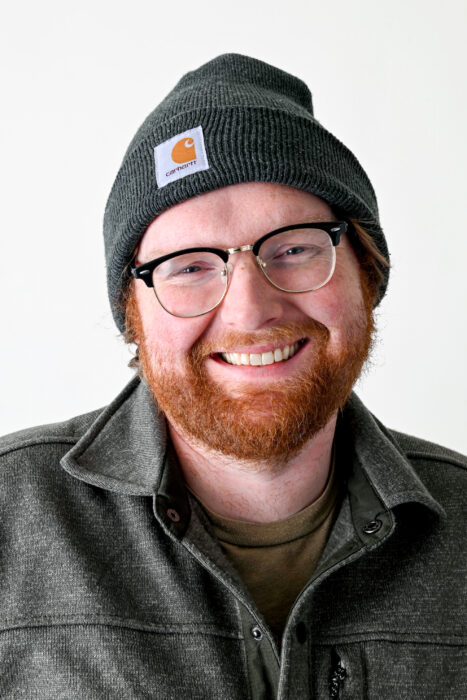
Justin Franz is a writer, photographer, and editor who joined the staff in 2026 as our first-ever editorial associate, working on all of the Center’s publishing and presentation efforts. Justin is originally from Maine, graduated from the University of Montana’s School of Journalism in 2011, and spent nine years as a newspaper reporter. From 2020 until 2026, he served as associate editor of Railfan & Railroad and Railroad Model Craftsman magazines. His work has appeared in numerous publications, including the Washington Post, New York Times, Seattle Times, Atlas Obscura, Trains, Railway Age, and the Montana Free Press. Before joining the staff, Justin served on the Center’s board of directors for five years. He is a lifelong railroad enthusiast and lives in Columbia Falls, Montana, with his wife Ashley, son Franklin, and their cat Louie.

Natalie Krecek
Processing Archivist
Natalie Krecek joined the Center as an archives intern in March 2018. Her responsibilities include housing and digitizing negatives, entering metadata, and assisting with social media. Natalie received her Bachelor’s degree in Anthropology from North Central College in 2017, with minors in Art History and English. In the summer of 2016, she attended an archaeological field school at the Center for American Archaeology partnered with Arizona State University where she had the opportunity to work close to the famous Koster site and Cahokia Mounds near St. Louis. A few months later Natalie traveled with Enactus, a non-profit team of students and professors to Highlands Guatemala to work with indigenous Mayans conducting interviews towards greater research of sustainability within their community and the environment. In the spring of 2017, Natalie combined her love for history and culture by completing an internship at the Field Museum in Chicago where she focused on the Gantz Family Collections. In her down time, she enjoys her two cats Clover and Finley, and her dog Douglas as well as spending time with her husband and friends. Having moved from Chicagoland she loves to explore Madison and learn about its history, especially through the railroads!
Arik Kriha
Administrative Assistant
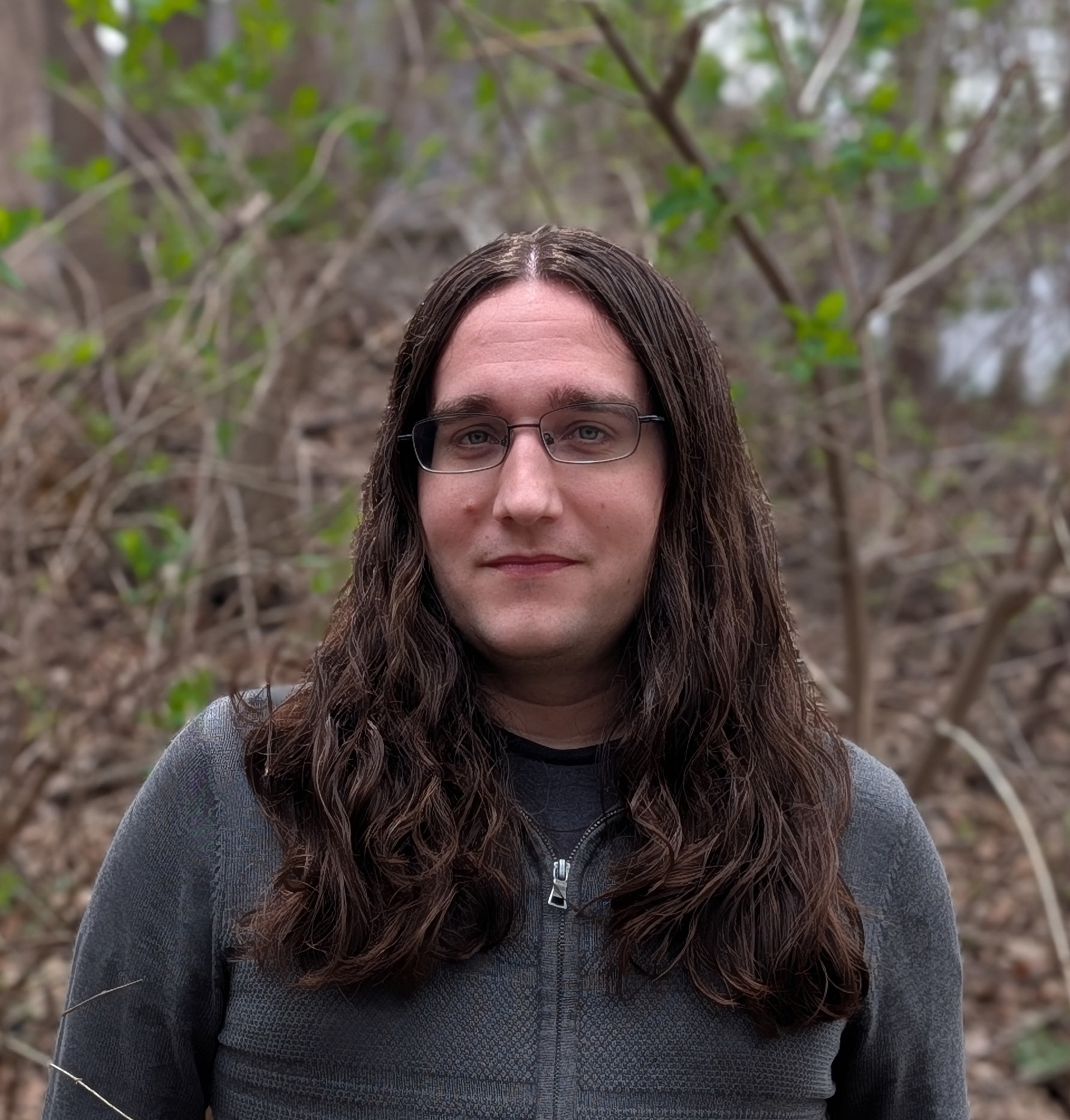
Arik Kriha joined the Center for Railroad Photography and Art as its administrative assistant in April of 2026. Prior to taking on this position, he spent much of his career with the Wisconsin Historical Society, beginning as an assistant archivist in their local government records section and eventually serving as their audiovisual archivist. He earned his bachelor’s degree in history from the University of Wisconsin-Madison in 2010 and his master’s in library and information science in 2017. When not at the Center, he enjoys spending his time keeping up with the news, watching movies, and working on his family’s farm.
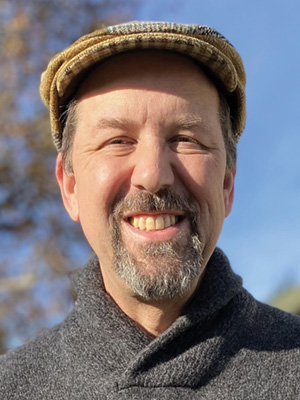
Elrond Lawrence
Acquisitions & Marketing Manager
Elrond Lawrence joined our staff in 2021 and splits his time between: working with collections donors to ensure the smooth transfer of their materials into the Center’s Railroad Heritage Archive, and establishing a marketing communications program to reach new audiences. Elrond is a writer, photographer, and publicity expert with a passion for railroads and vintage highways. He grew up in Fontana, California, within sight of Santa Fe Railway’s Second District main line and former U.S. Highway 66; weekend trips to the desert with his parents sealed his love for trains and the open road. Elrond authored the book Route 66 Railway and his work appears frequently in Trains, Railfan & Railroad, the NRHS Bulletin, and other publications. He lives along California’s central coast near Salinas with wife Laura, cats, and an SP searchlight signal.
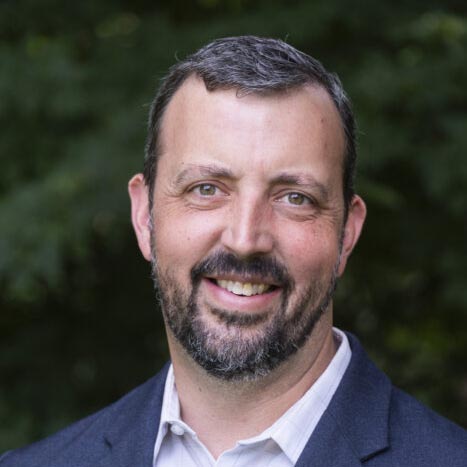
Scott Lothes
President & Executive Director
Scott Lothes became the Center’s full-time executive director in 2011, after serving on its staff part-time since 2008. In 2013 he succeeded John Gruber as president and editor of the Center’s journal, Railroad Heritage. He also helps write, edit, and produce the Center’s books and online publications. Fascinated by railroads from childhood, Scott grew up watching and trying to draw coal trains in West Virginia. He took up photography while attending Case Western Reserve University in Cleveland, Ohio. His photographs and articles appear frequently in railroad magazines and other publications, he frequently makes presentations to railroad and travel groups, and he leads railroad-themed walking tours as a volunteer docent with the Madison Trust for Historic Preservation. Prior to joining the Center, he spent three years as assistant editor of the engineering magazine Sound & Vibration and one year as a high school English teacher in Sapporo, Japan. He has also lived in Oregon and traveled extensively in Vietnam, China, and central Europe—by train as much as possible. Since moving to Wisconsin in 2011, he has undertaken a project to document the railroads of the Upper Mississippi River Valley, where he enjoys hiking and camping with his wife, Maureen Muldoon, and their dog, Alma.

Shelby Shull
Program Manager
Shelby Shull came aboard as the Center’s administrative assistant in 2025 and was promoted to program manager in 2026. She coordinates the many moving pieces for our Conversations conferences and other events including our webinars, and she also handles the logistics for our traveling exhibitions. She graduated from Edgewood College in Madison with degrees in English and Music Promotion & Industry. Professionally, Shelby has worked for arts organizations in various roles. She is excited about serving the Center’s dedicated members at conferences and other events while providing support to her colleagues. When not in the office, Shelby can be found working as a makeup artist at weddings, special events, and on photo shoots. She enjoys singing, listening to podcasts, and spending time with her husband, Mike, and their dog, Baxter, and cat, 8-Track.
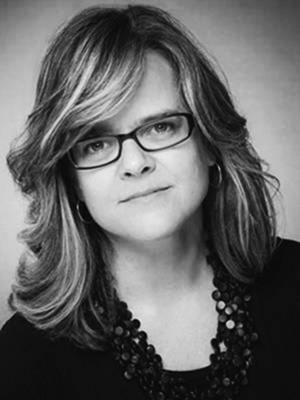
Heather S. Sonntag
Associate Archivist
Heather Sonntag began working for the Center in 2020 as a contract archivist and joined the staff as an associate archivist in 2021. She processes collections while assisting with the Center’s overall preservation plans and policies, and she also lends her sharp eyes to proofreading publications. Heather first encountered photo collections at the front end of archives, when she interned at the Library of Congress for her doctoral thesis research. This led to a Fulbright fellowship to continue studies on nineteenth-century photo albums in St. Petersburg and Moscow, Russia. After earning her doctorate at the University of Wisconsin-Madison, she entered the back end of archives at the Wisconsin Historical Society working initially in the conservation lab, and then switching to the digital lab and onto processing film and photography collections. In 2020 she earned a master’s degree in archives administration and a certificate from the Center for Culture, History and the Environment through the Nelson Institute of Environmental Studies. Heather has curated photo exhibitions for UW-Madison, the US Embassy in Kazakhstan, and on prescribed burns in Wisconsin by local black-and-white photographer, Jill Metcoff. She also has offered Photography and War: Imaging History, Technology and Conflict, a mini-course through the UW-Madison Extension, and published in the Wisconsin Magazine of History. Originally from Albuquerque, New Mexico, she has made Madison her home since 1999.
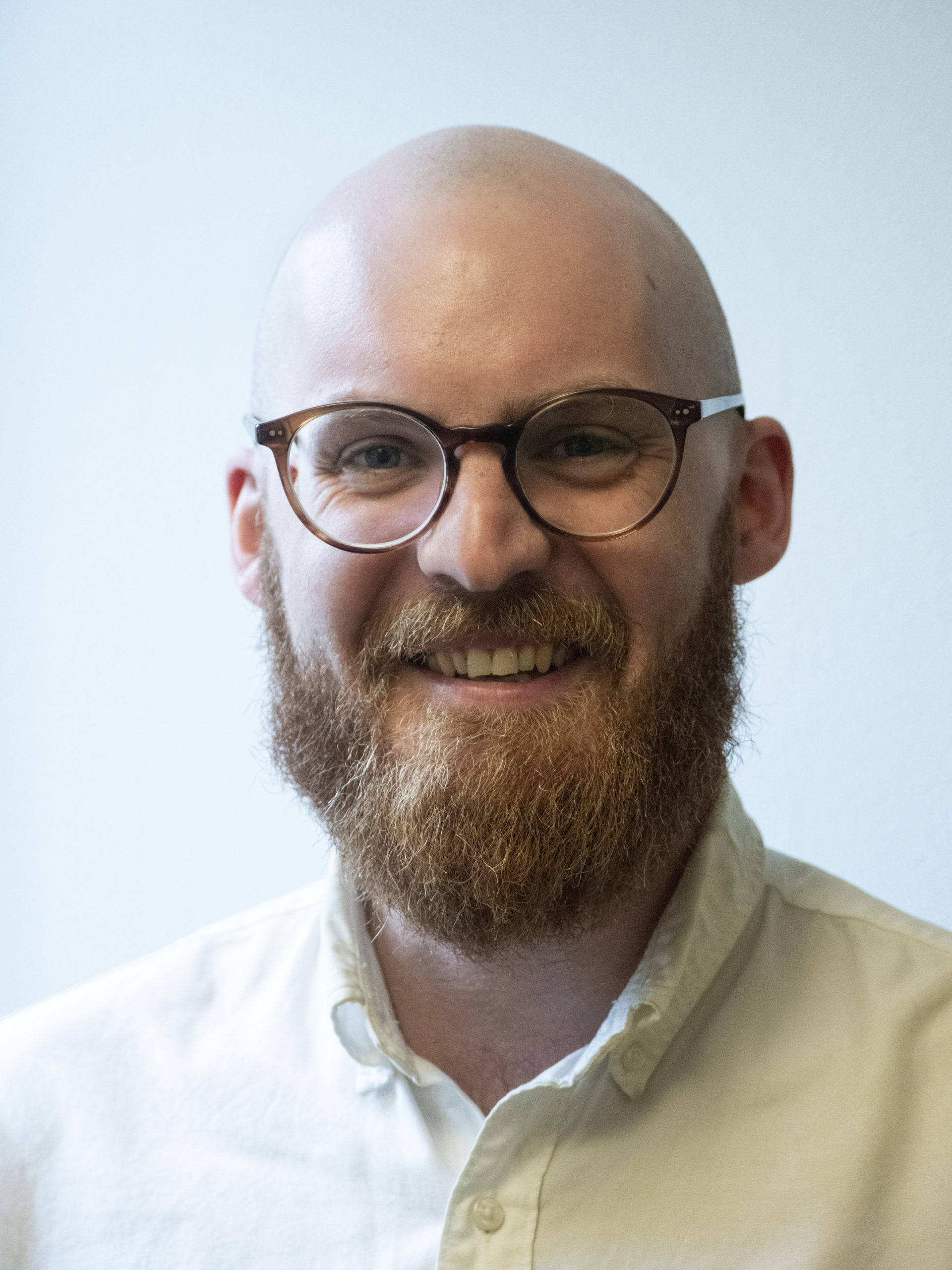
Gil Taylor
Reference & Processing Archivist
Gil Taylor began working for the Center as a contract archivist in 2021 and joined the staff in 2022. He has fully processed several large photography collections, including the Jim McClellan Collection and the Henry Posner III Collection. Along the way, he has also become the Center’s resident specialist in moving image film. In the reference portion of his role, he fulfills image requests from all of the collections in our archive, and he enjoys working with our community to help share more of our materials. He holds a bachelor of arts from Bates College in Maine and a master’s in library and information science from UW-Madison. His prior archival experience includes the UW-Madison Archives, the Chazen Museum of Art, The Olson House, the Farnsworth Art Museum, and the Maine State Museum.
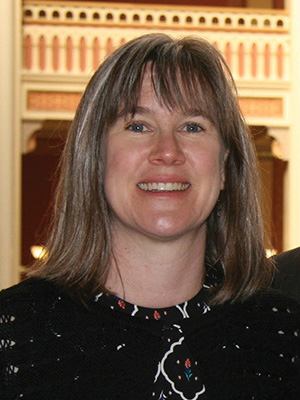
Inga Velten
Director of Development & Operations
Inga Velten joined the Center for Railroad Photography & Art as its development associate in September 2017 and was promoted to development director in 2019. In 2026, she took on additional responsibilities as director of development and operations, helping to oversee all aspects of the Center’s day-to-day work. She brings more than seventeen years of experience in nonprofit fundraising and administration, with particular expertise in data management, prospect research, and major gift fundraising. She is a lifelong Wisconsinite and a graduate of the University of Wisconsin-Whitewater with a degree in History and English. Inga enjoys spending time at her family’s north-woods cabin, as well as exploring state parks and back roads with her husband Rob O’Connell, children Grainne and Eamonn, and dog Cara. When not exploring, gardening, or in the kitchen, Inga can easily lose herself looking at historic photographs in books and on the web. Her great grandfather was a locomotive engineer for the Atchison, Topeka & Santa Fe Railway from the early- to mid-1900s, and she is enjoying the meaningful connection her work with the Center makes to her family’s railroading roots.
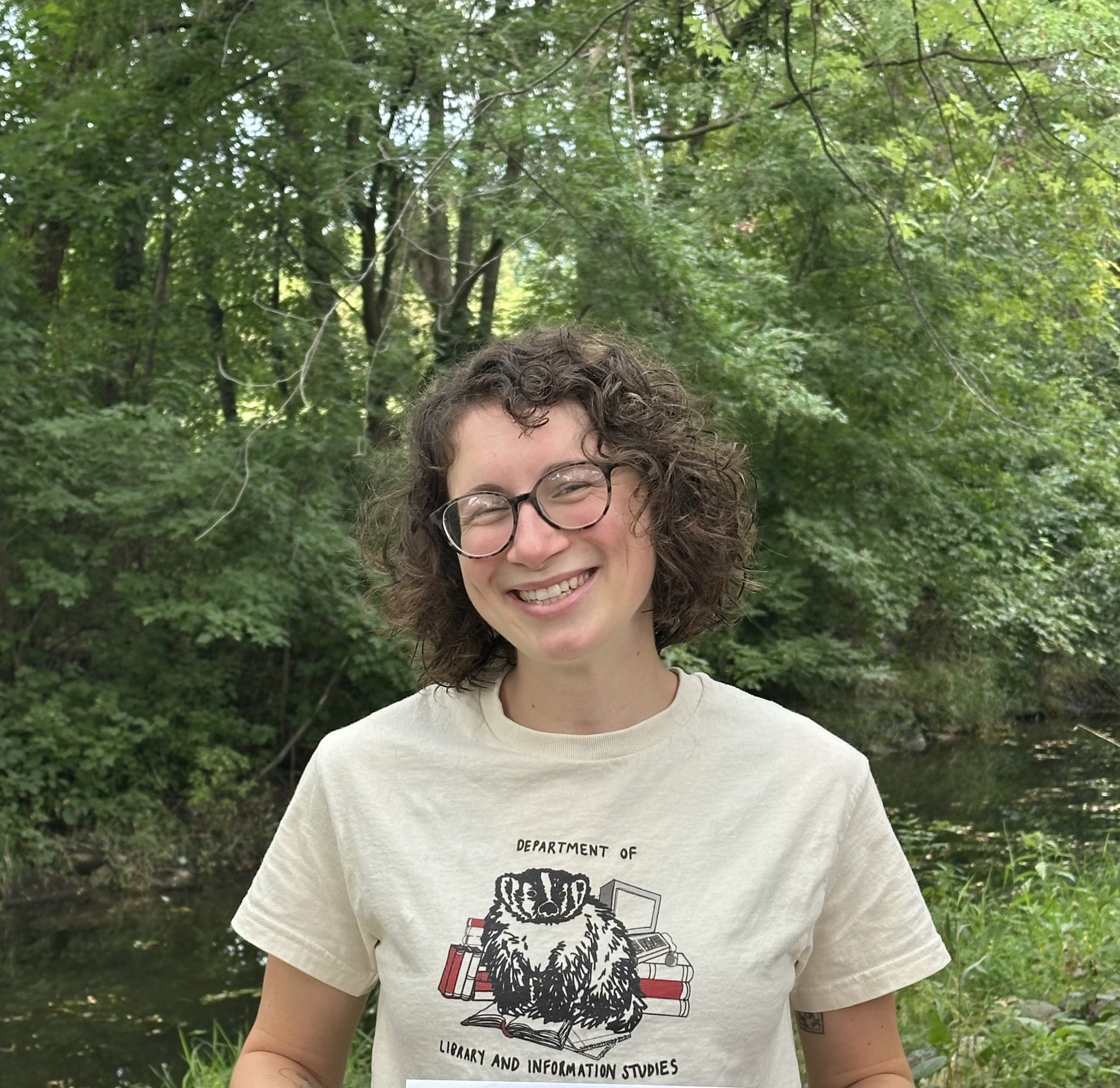
McKenna Yates
Digital Projects Assistant
McKenna is a graduate student at UW-Madison where she is studying Library and Information Science with a concentration in archives. As an undergraduate student at CU Boulder, she became interested in archiving and audiovisual digitization while pursuing her B.A. degree in Cinema Studies and Sociology. On a whim, she joined the CU Boulder Railroad Club and became fascinated by trains–she loved learning about the history, scope, and aesthetics of a machine that was certainly not as common anymore. McKenna previously worked at a motion picture film lab in Denver, CO where she operated the photochemical film processor and digitized client films. Now, as the Digital Projects Assistant for CRP&A, she is thrilled to be able to combine her enthusiasm about trains with her passion for archiving. When not working, you could find McKenna reading, watching a movie, shooting a roll of film, or enjoying a local jazz jam.
Get in touch
Center for Railroad Photography & Art
1930 Monroe Street, Suite 301
Madison, Wisconsin 53711-2059
(608) 251-5785
info [at] railphoto-art.org
We do not maintain our own museum space but instead partner with institutions across the country to host our traveling exhibitions. We enjoy visitors to our office in Madison and we typically keep normal business hours of 9:00 a.m. to 5:00 p.m., Monday through Friday. Please check ahead of time to ensure that someone will be available to meet with you.